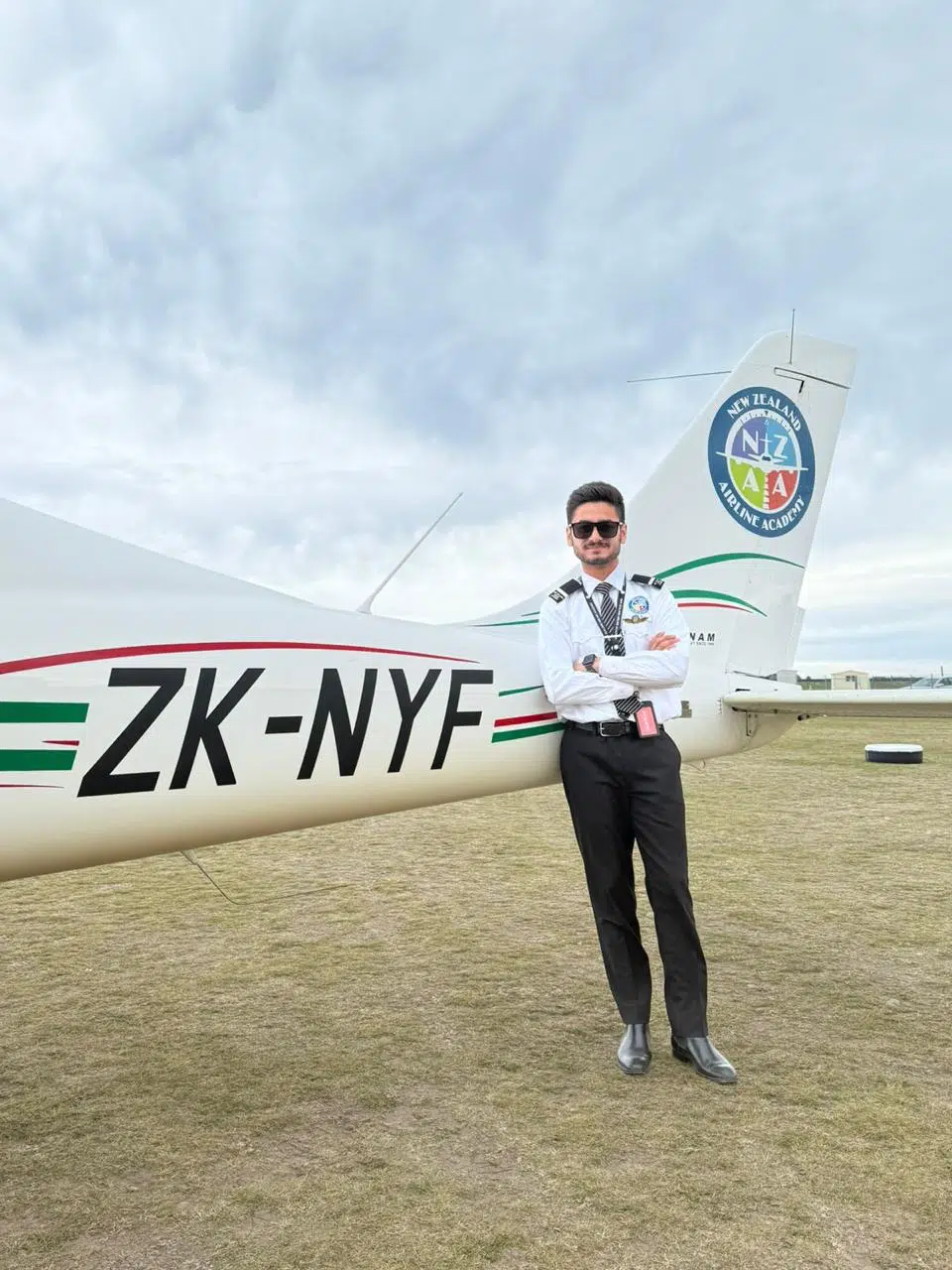
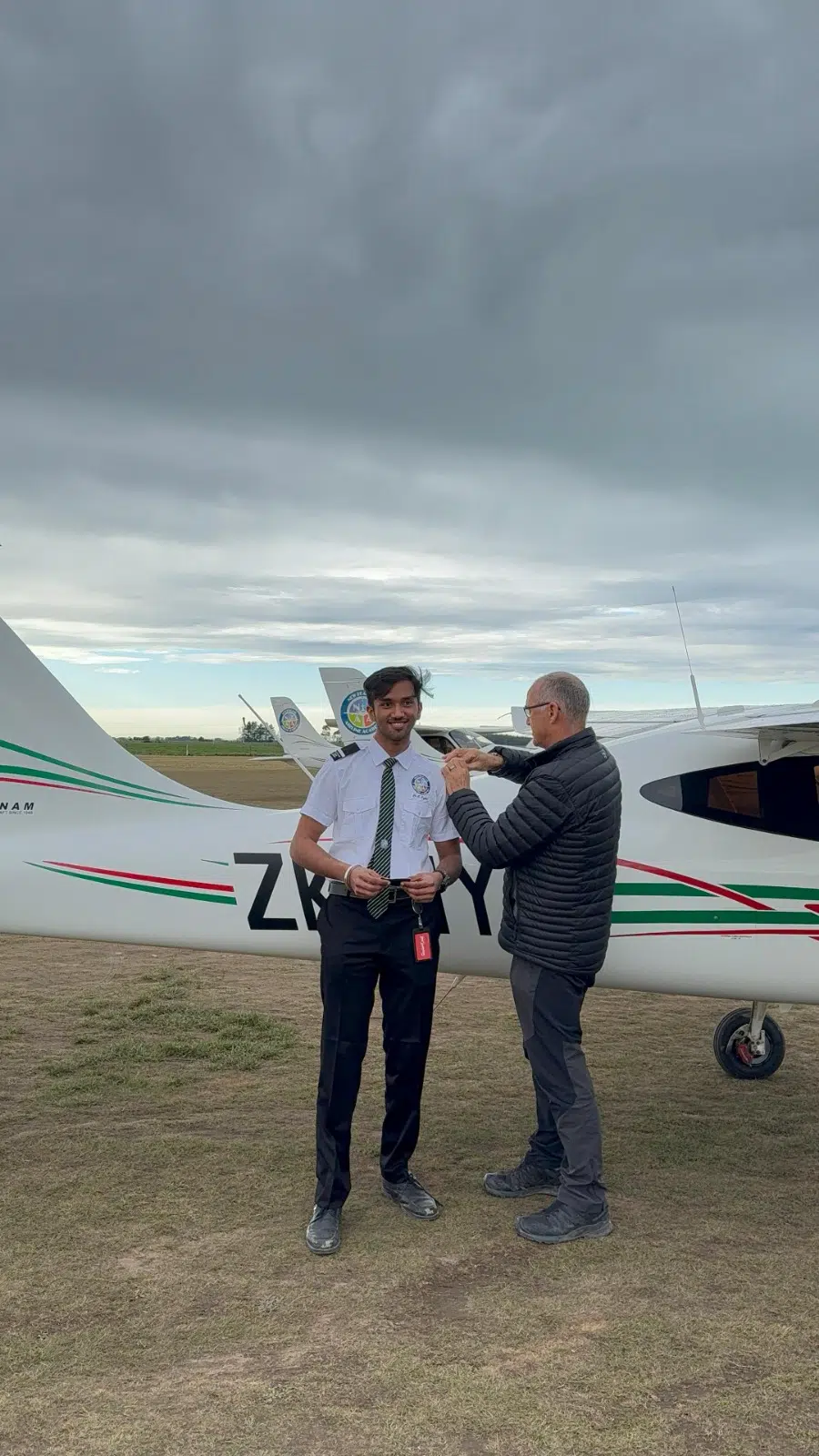
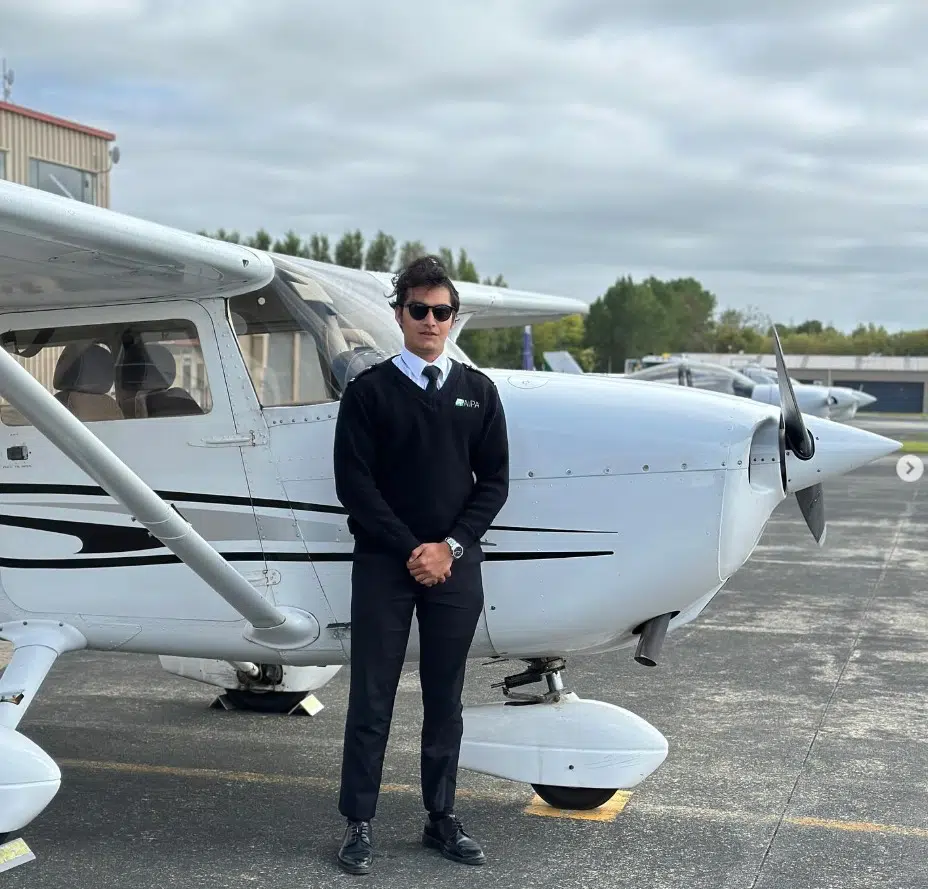
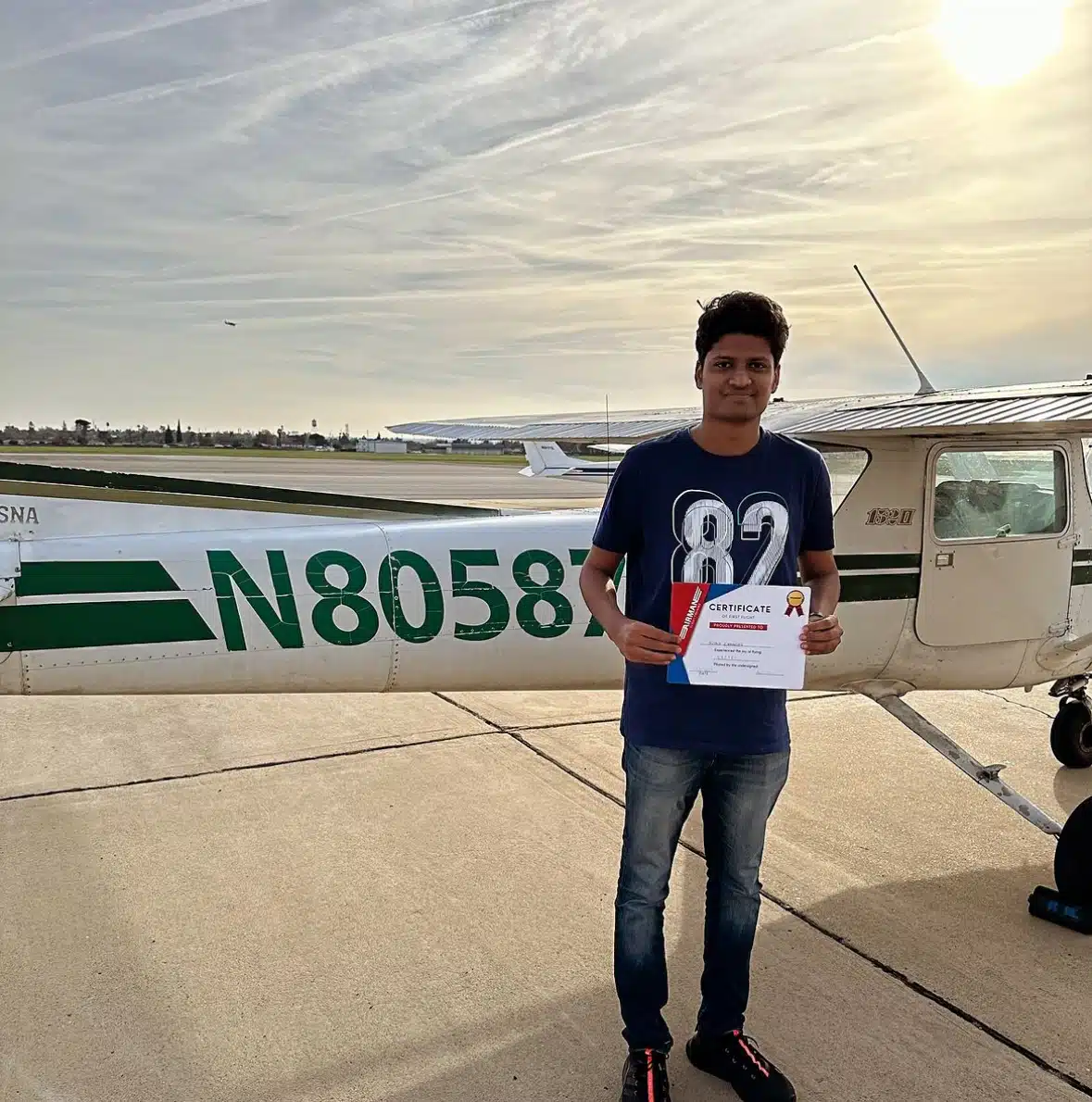
New Zealand is a leading destination for aspiring commercial pilots, known for its world-class flight academies, CAA-approved training programs, and diverse flying environments. With structured courses, experienced instructors, and internationally recognized licences, it offers the perfect balance of quality education and practical flight experience. Its excellent weather and global DGCA conversion compatibility make New Zealand an ideal choice for pilot training.

Minimum 17 years to begin pilot training and 18 years for a Commercial Pilot License.
10+2 with (Physics & Math) or equivalent is required. Non-science students can qualify via NIOS.
CASA Class 1 and DGCA Class 1 medicals
Student work visa allows you to study full-time and work part-time while completing your flight training program
IELTS 5.5 each , 6.0 overall
Structured program combining theory and hands-on flying, from PPL to CPL. Conducted under New Zealand CAA and DGCA standards for globally recognized certification and real-world experience.
12-14 MONTHS
The pilot training program combines classroom theory with in-flight training, guiding students step by step through all license stages to build confidence, proficiency and achieve their Commercial Pilot license. Training timelines may exceed based performance.
220 - 240 Hrs
Covers CAA and DGCA requirements, including dual and solo flights, cross-country, night flying, instrument procedures, and multi-engine operations across all training stages.
NZD 115k - 125k
Covers all aspects of training, including ground school, simulator sessions, flight hours, and license support, offering a clear and structured pathway to becoming a professional pilot.
This Covers
CAA Theory lectures
meals
Flight training
Flight tests
Licence issuance
Student Pilot Kit
Visit & travel
Transportation
Accommodation & Living Costs
Extra Flying Hours (if required)
Personal Insurance
Medicals
1
Students begin with CAA-approved ground classes and written exams, building a strong foundation in aviation theory before starting their flight training.
2
Learn fundamental flying skills, complete first solo, circuit training, and introductory cross-country flights to qualify as a Private Pilot.
3
Focus on commercial-level manoeuvres, navigation exercises, and extensive cross-country flying to build confidence and total flight hours
4
Complete Multi-Engine endorsement and Instrument Rating, including 40 hours on aircraft and 40 hours on simulator, followed by final CPL flight tests to qualify as a Commercial Pilot.
Obtain a valid DGCA Class 1 medical (for CPL pathway) from an authorised AME to confirm fitness for professional flying.
Complete your DGCA Class 2 & 1 Medicals and join reputed DGCA Ground Classes to clear theory exams.
Compare CAA-approved NZ schools on course structure, fleet, instructor experience, student outcomes, and living support to pick the best fit for your goals
Clear the required aviation medical (Class 1)with an approved AME. It’s mandatory before advanced training.

Apply to the school, submit documents and medical clearance; once accepted you’ll receive an offer letter needed for visa and enrolment formalities.
Attend orientation to meet instructors, review the syllabus, learn safety procedures, and get introduced to schedules, simulators and campus facilities.
Complete mandatory ground school modules (air law, navigation, meteorology, human factors) to prepare for theory exams and practical flying.
Follow the structured PPL→hour-building→CPL (and optional IR/ME) progression with dual instruction, solo flights, cross-countries and simulator sessions.
After completing training, return to India and convert your CAA License license into a DGCA license by meeting DGCA’s conversion requirements and exams.
Commercial Pilot Training program in New Zealand offers Indian students a clear pathway to obtain a CAA NZ Commercial Pilot Licence (CPL) with Multi-Engine Instrument Rating (MEIR), fully aligned with ICAO standards and suitable for DGCA licence conversion. Training is delivered through CAA-certified flight schools, ensuring high operational standards, structured learning, and world-class flying exposure in diverse weather and terrain. Graduates complete the program with a licence that is internationally recognised and easily convertible in India and other ICAO member states, opening opportunities for global airline careers with a strong professional foundation.
New Zealand offers world-class training under CAA NZ, experienced instructors, great weather, and easy DGCA conversion, making it a top choice for Indian students.