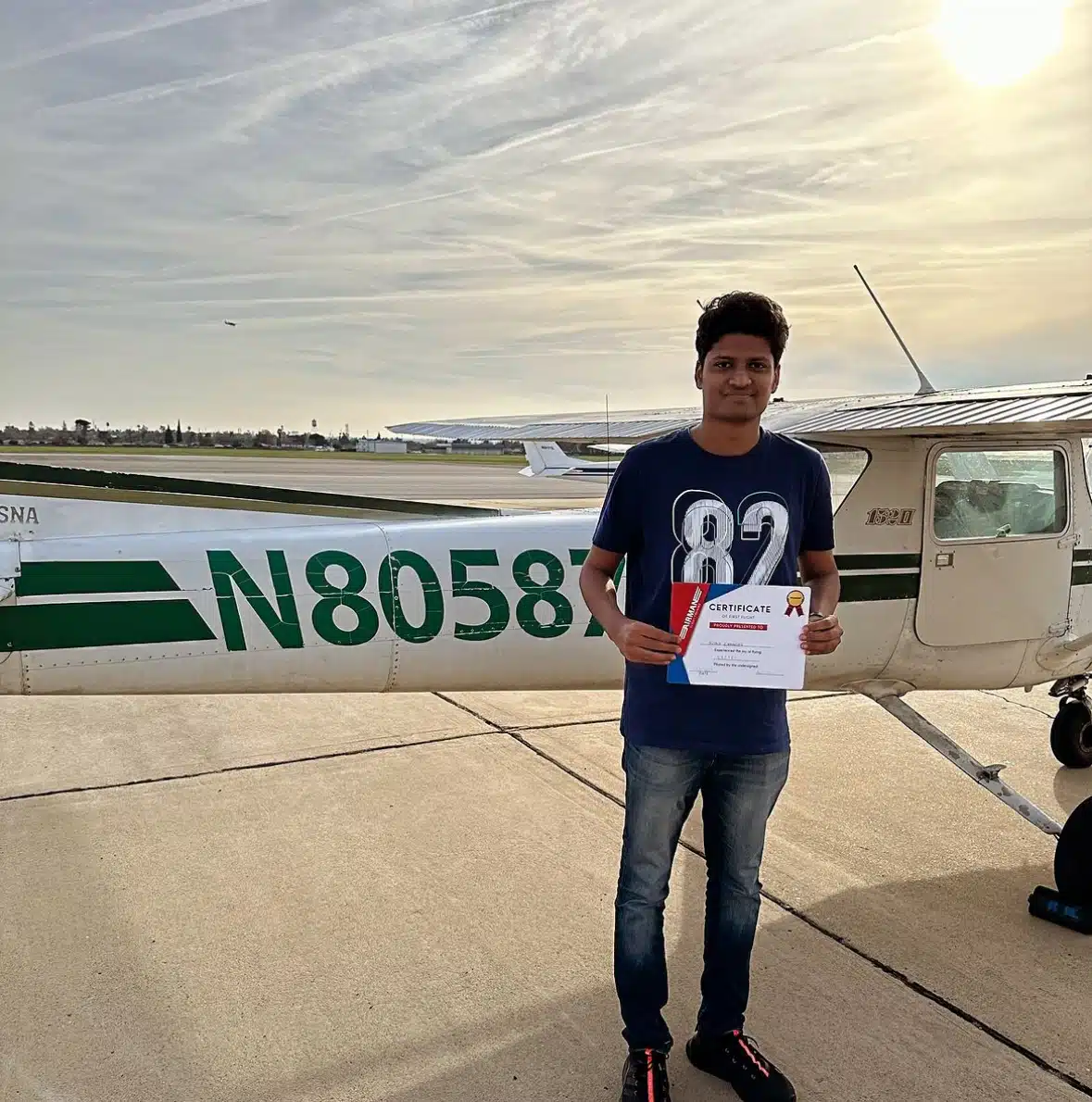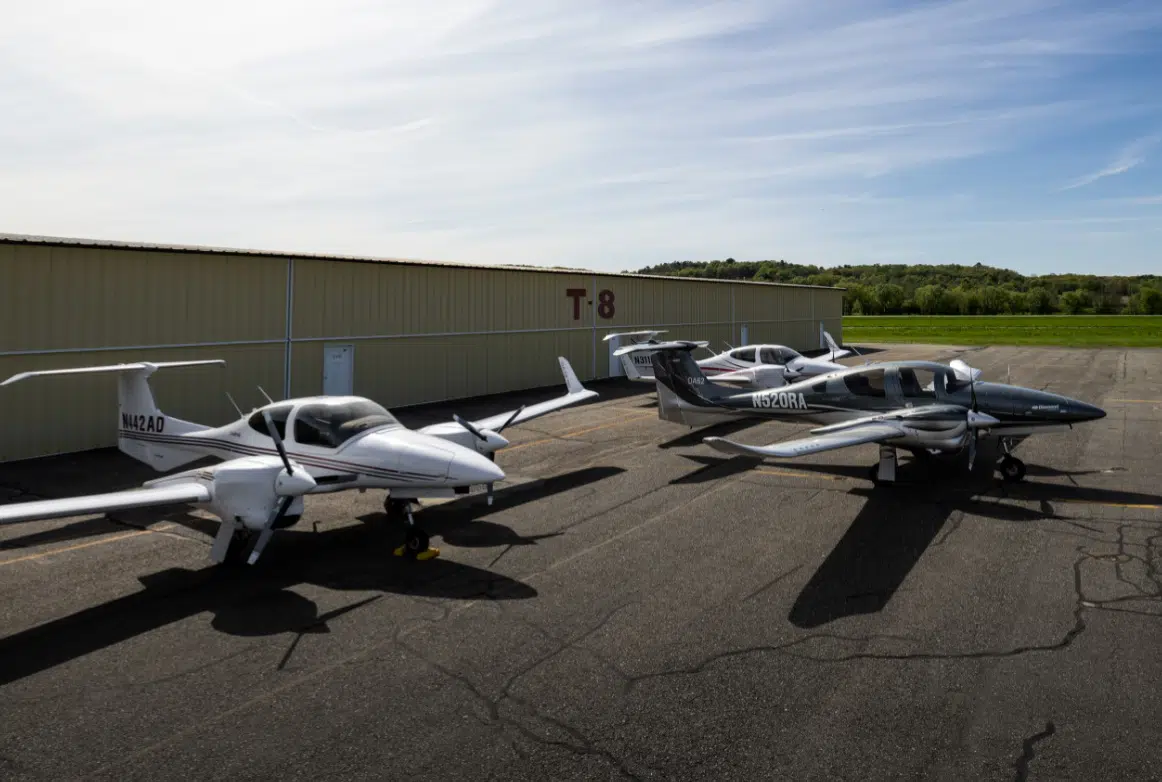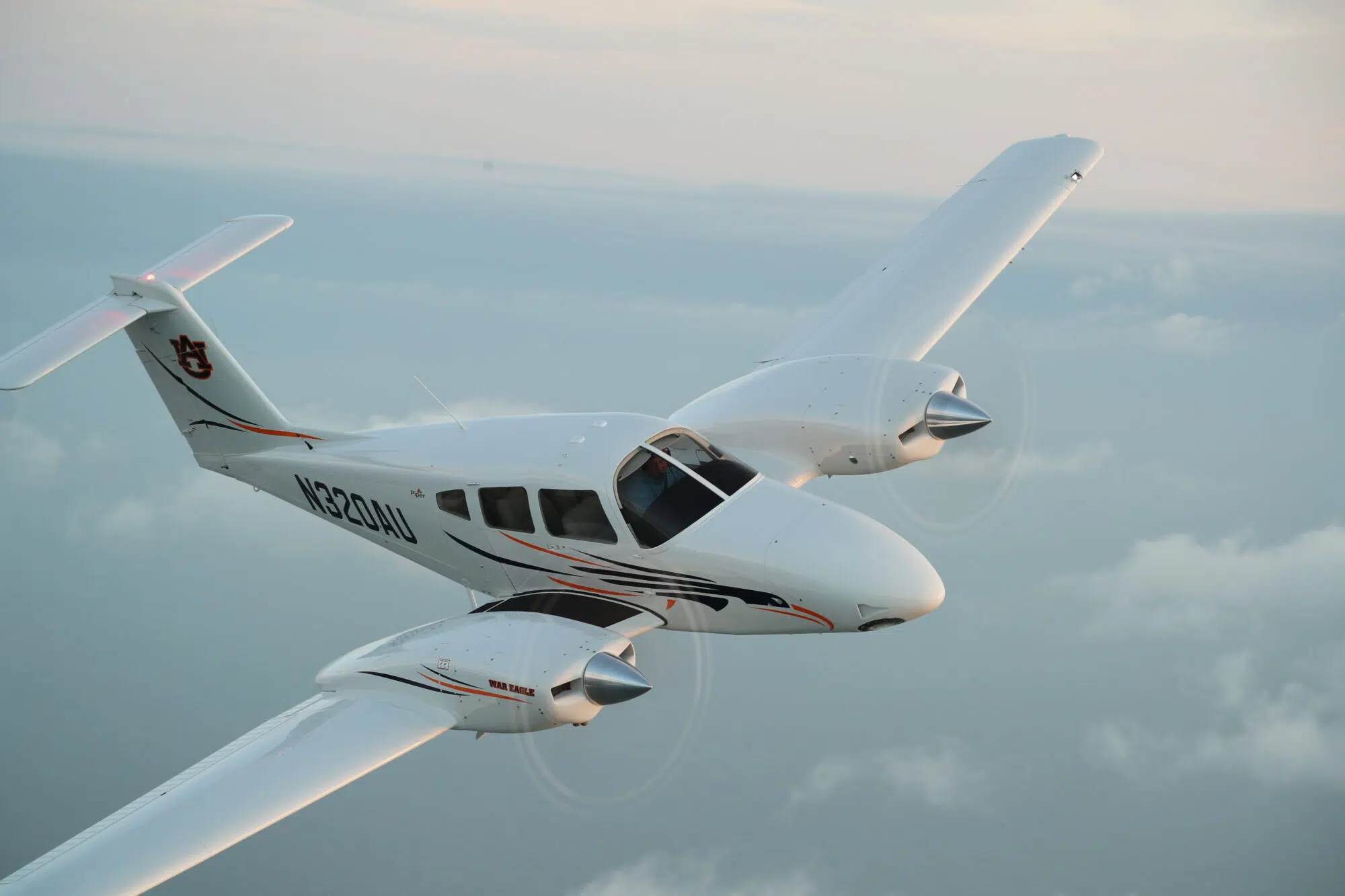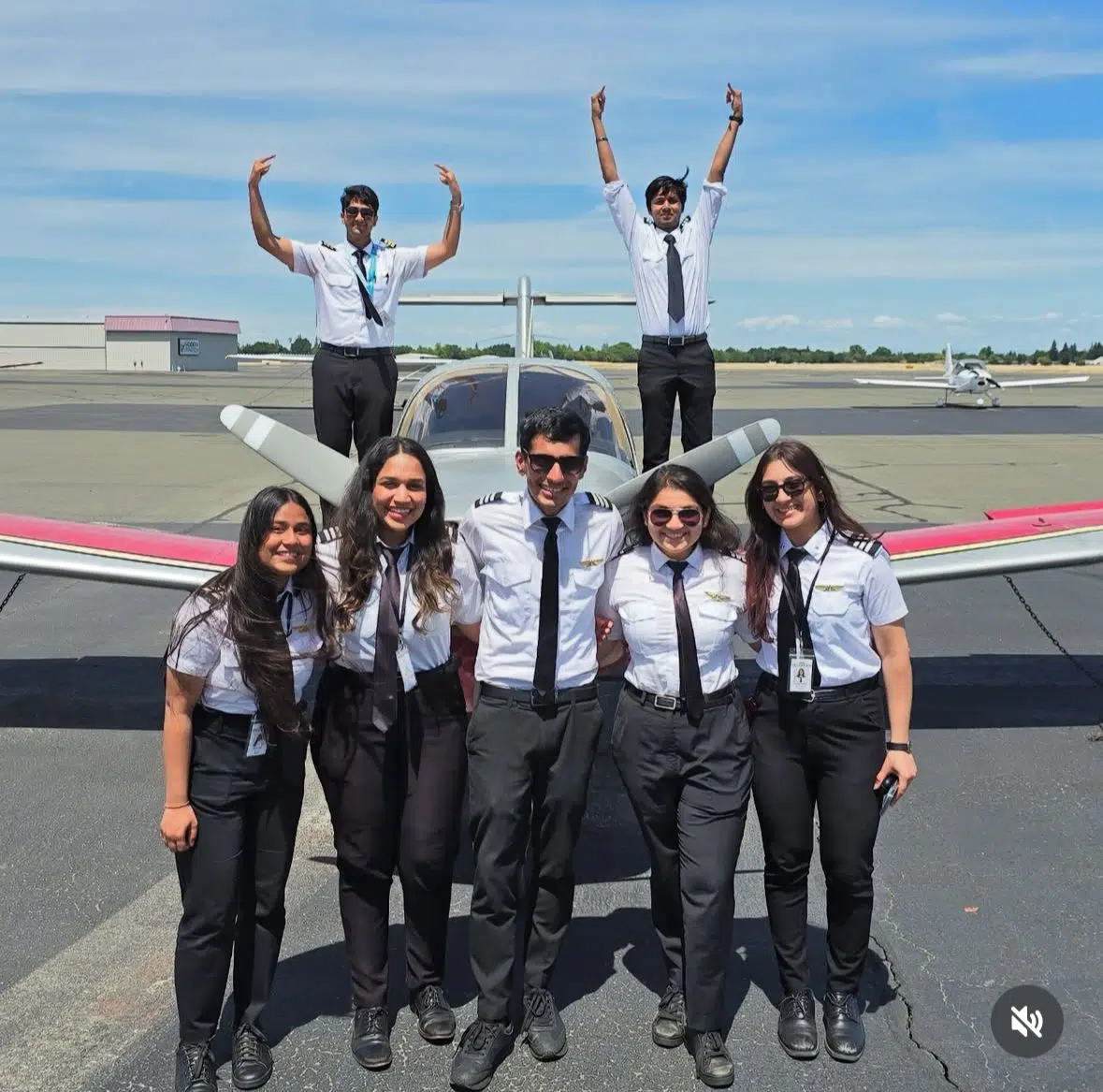
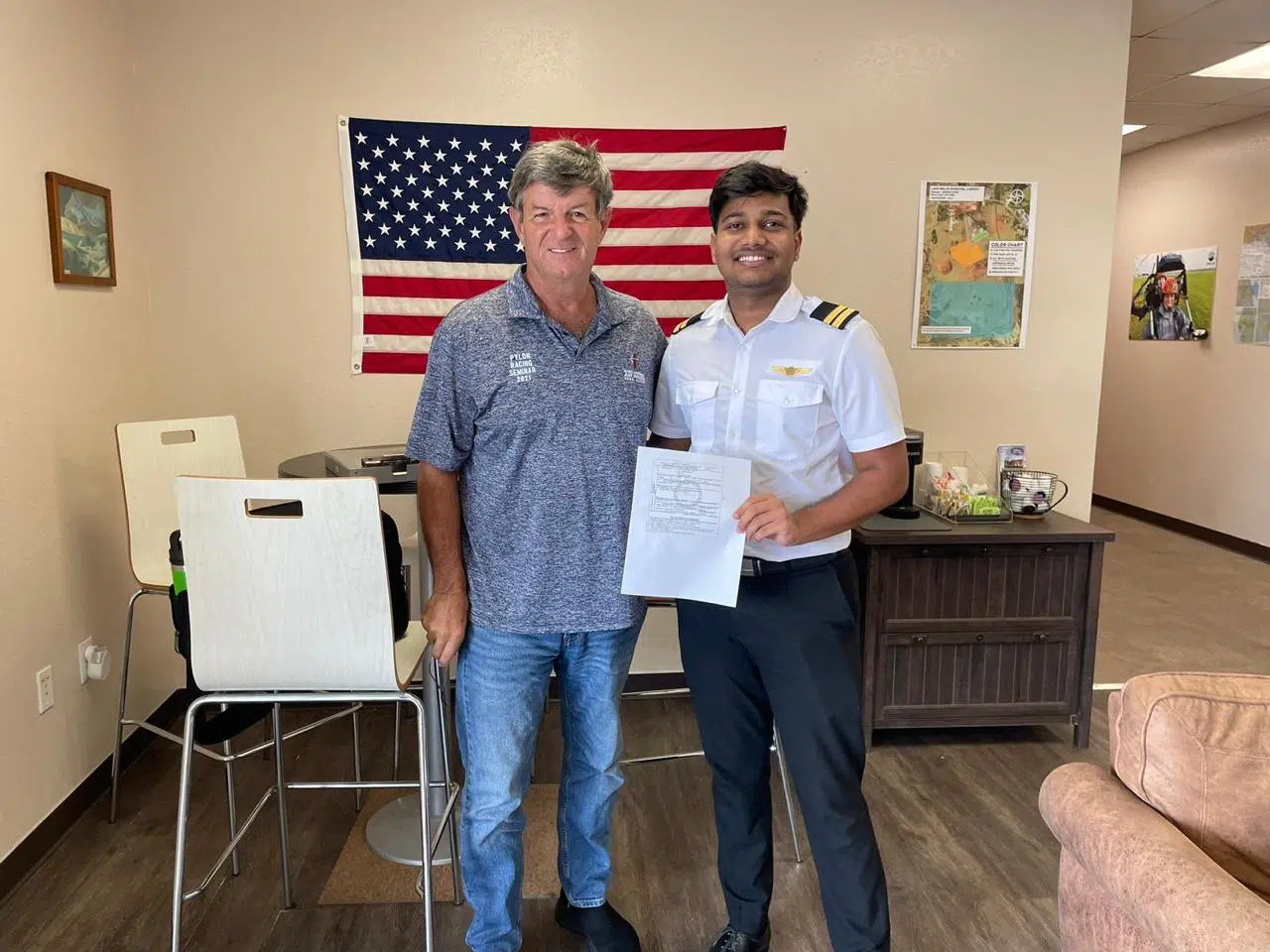
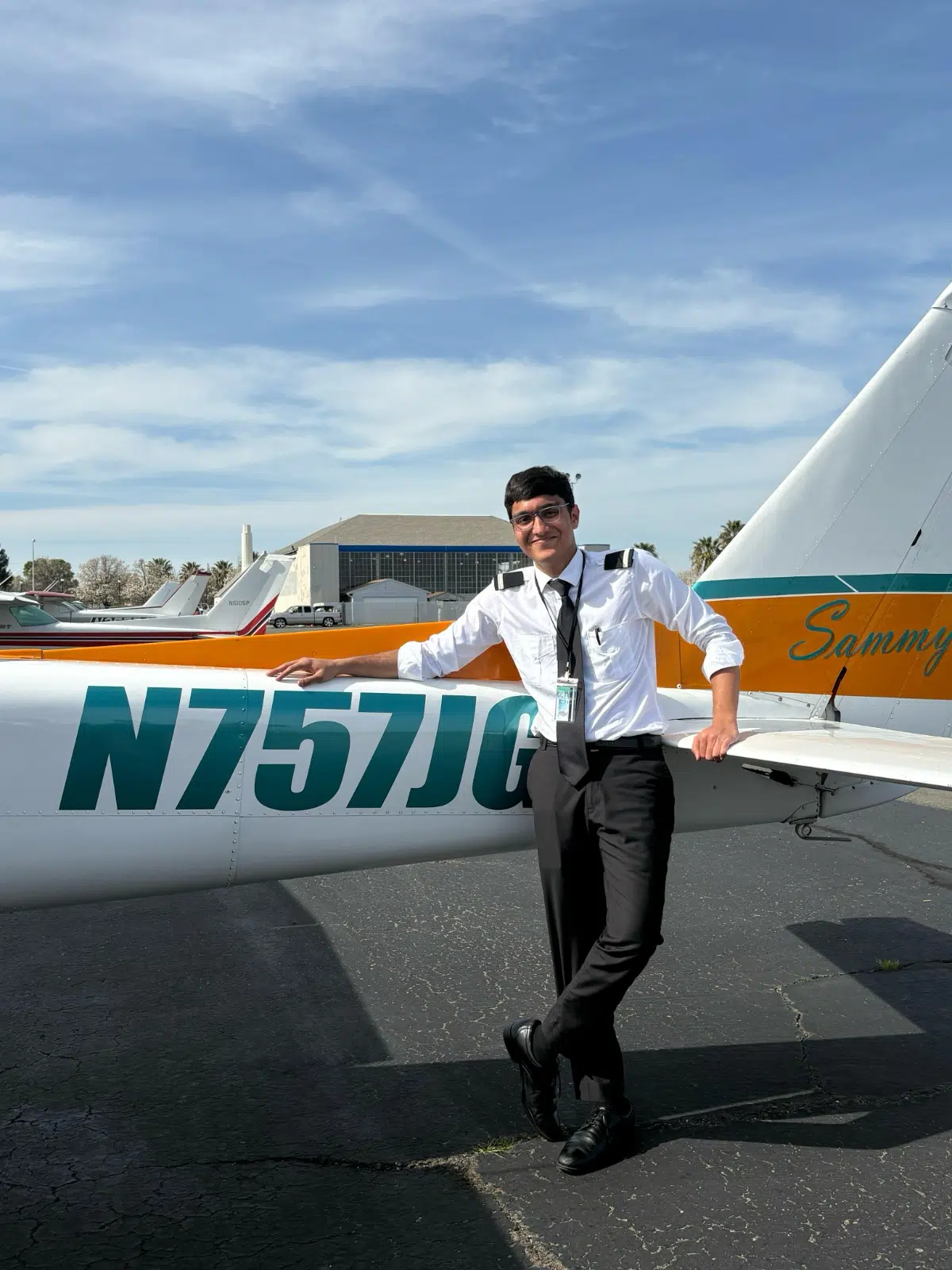
The USA is the premier destination for international students aspiring to become commercial pilots. Boasting FAA-approved flight schools, modern aircraft fleets, and year-round flying conditions, it offers world-class pilot training and a clear pathway to DGCA license conversion. With structured courses, experienced instructors, and globally recognized certification, the USA remains the top choice for students aiming to launch a successful aviation career.

Minimum 17 years to begin pilot training and 18 years for a Commercial Pilot License.
10+2 with (Physics & Math) or equivalent is required. Non-science students can qualify via NIOS.
Must hold an FAA Class 1 Medical and DGCA Class 1 Medical Certificate to qualify.
Students require an M-1 Visa to pursue flight training in the USA.
Structured training combining theory and hands-on flying, covering all stages from PPL to CPL and multi-engine ratings, following FAA & DGCA standards.
10-12 MONTHS
The pilot training program combines classroom theory with in-flight training, guiding students step by step through all license stages to build confidence, proficiency and achieve their Commercial Pilot license. Training timelines may exceed based performance.
235-260 Hrs
Covers FAA and DGCA requirements, including dual and solo flights, cross-country, night flying, instrument procedures, and multi-engine operations across all training stages.
USD 56k - 65k
Covers all aspects of training, including ground school, simulator sessions, flight hours, and license support, offering a clear and structured pathway to becoming a professional pilot.
This Covers
Study Material
FAA Ground School
FAA Written Exams
Flight Training
Checkride Flights
FAA License Issue
Visit & travel
Transportation
Accommodation & Living Costs
Extra Flying Hours (if required)
Personal Insurance
Medicals
1
Authorises you to fly under instructor supervision, marking the start of pilot training Journey.
2
Covers basic flying lessons, VFR flying & navigation, radio communication, enabling you to operate as PIC for non-commercial flights
3
Develops your ability to fly and navigate with reference to instruments, while also logging extensive PIC cross-country hours to meet CPL requirements.
4
Enables you to fly professionally for hire, with training in night flying, cross-country navigation, and advanced aircraft operations, preparing you for a career in commercial aviation.
5
Adds multi-engine proficiency under IFR, a must for airline training and advanced checkrides. Usually endorsed after CPL training.
Complete your DGCA Class 2 & 1 Medicals and join reputed DGCA Ground Classes to clear theory exams.
Compare CAA-approved NZ schools on course structure, fleet, instructor experience, student outcomes, and living support to pick the best fit for your goals
Obtain an FAA Class 1 Medical Certificate. This is mandatory before you can begin your flight training.
Once accepted by a flight school, you will receive the I-20 form, which is required for your visa process.
Apply for the M-1 Student Visa, specifically designed for vocational courses like pilot training. This allows you to legally train in the USA.
Begin your FAA Ground School, where you'll study aviation theory, regulations, and prepare for written knowledge tests.
Move to practical flying lessons — starting with SPL → PPL → IR → CPL → MEIR. Training is structured under FAA requirements for each stage.
After completing training, return to India and convert your FAA license into a DGCA license by meeting DGCA's conversion requirements and exams.
Our Commercial Pilot Training program in the USA offers Indian students a pathway to earn DGCA-approved Commercial Pilot Licenses (CPL) and Multi-Engine Instrument Ratings (MEIR), ensuring full compliance with Indian aviation regulations. Training is conducted at FAA-certified flight schools, providing internationally recognized standards and world-class flight experience. Graduates leave fully prepared to operate commercially with airlines globally, benefiting from licenses that are valid both in India (DGCA) and internationally through the FAA (USA) framework. This dual recognition ensures that students gain not only practical flight experience but also a globally respected qualification, opening doors to diverse aviation career opportunities.
Apply to an FAA-approved flight school with your academic documents, passport, and English proficiency proof. Once accepted, you’ll receive the I-20 form to apply for an M1 visa and begin your training journey.