


DGCA Ground Classes in India

2026 Complete Guide

Everything you need to know about DGCA Ground Classes — subjects, eligibility, fees, course duration, online & offline options, exam patterns, preparation strategies, and how to clear your DGCA examinations on the first attempt. Whether you're heading for a CPL, an airline cadet program, training abroad, or converting a foreign licence, here's exactly how ground school fits into your aviation journey.

9+ Years Experience 2,000+ Students Trained 14+ Aviation Instructors
Air India Cadet Training Partner 80% First-Attempt Pass Rate Pan-India Online & Mumbai Classroom

Speak with experienced aviation counsellors who've helped thousands of aspiring pilots clear DGCA exams and begin their careers.

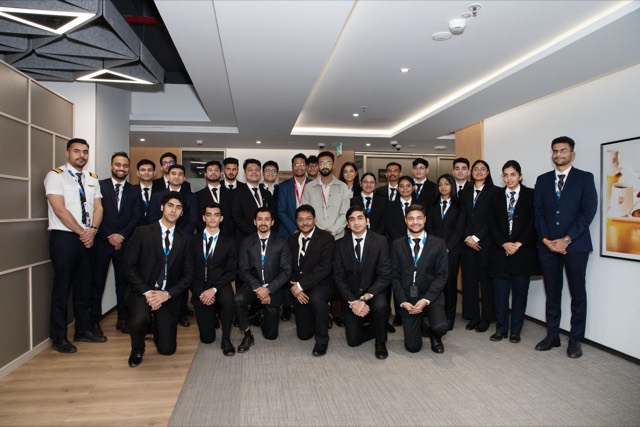
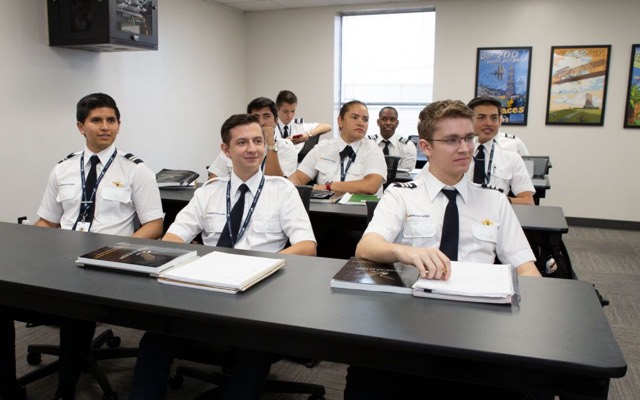
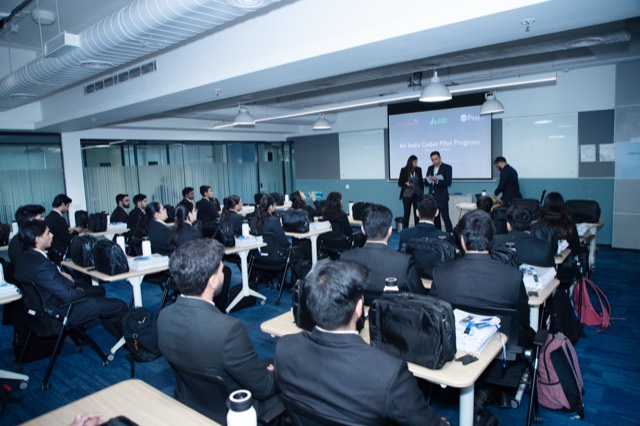
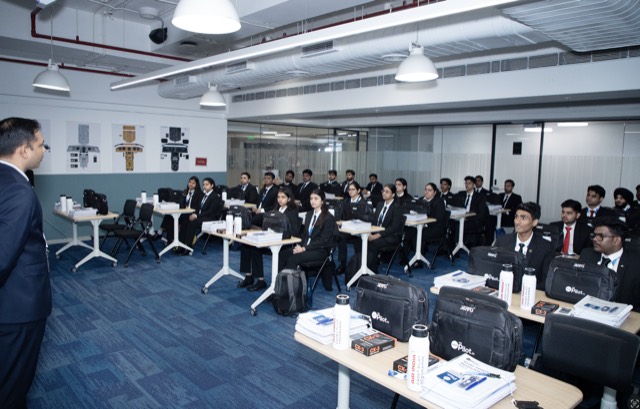
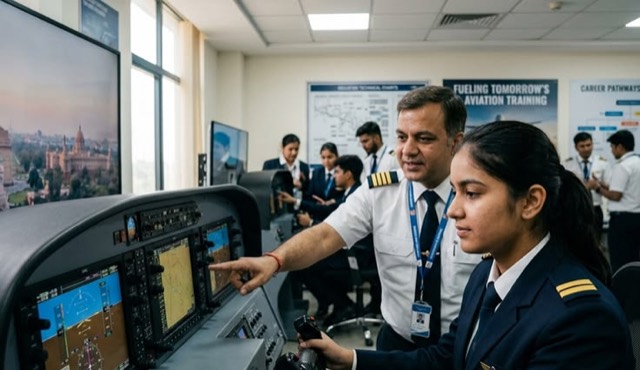
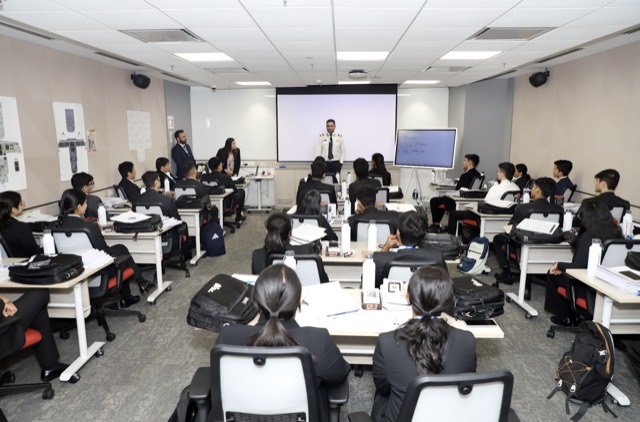
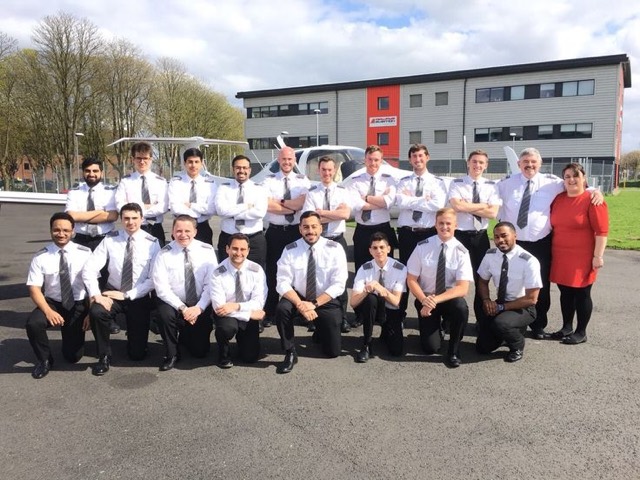
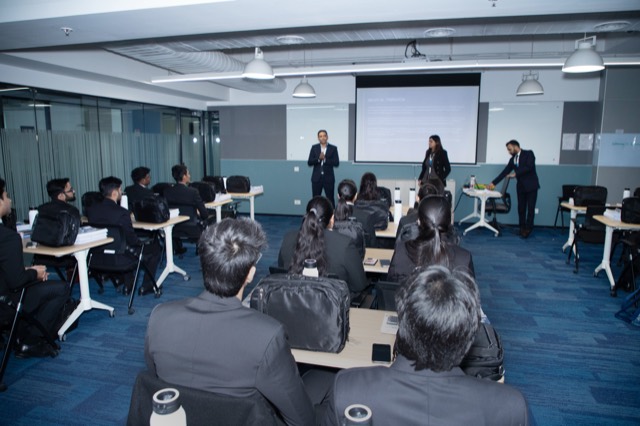
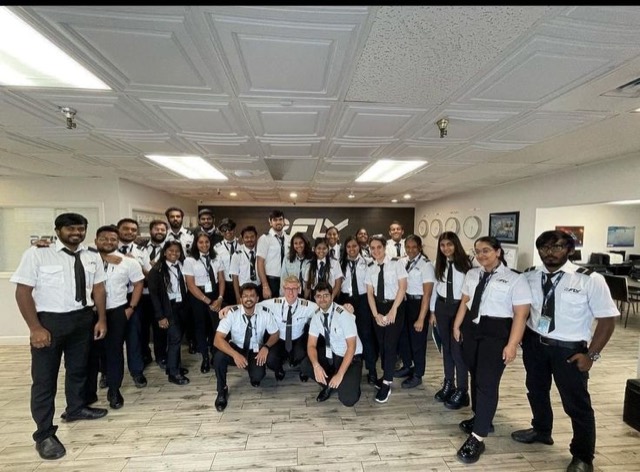
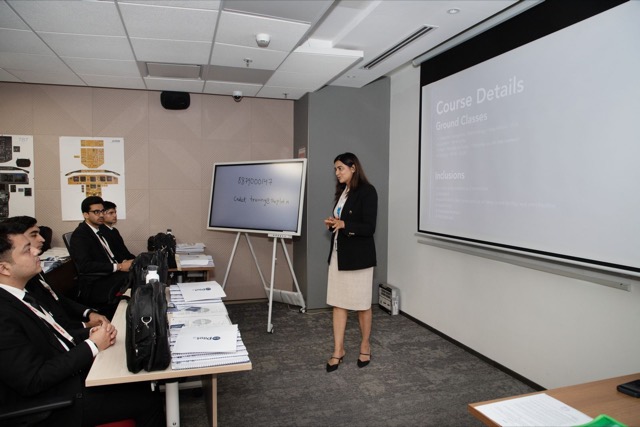
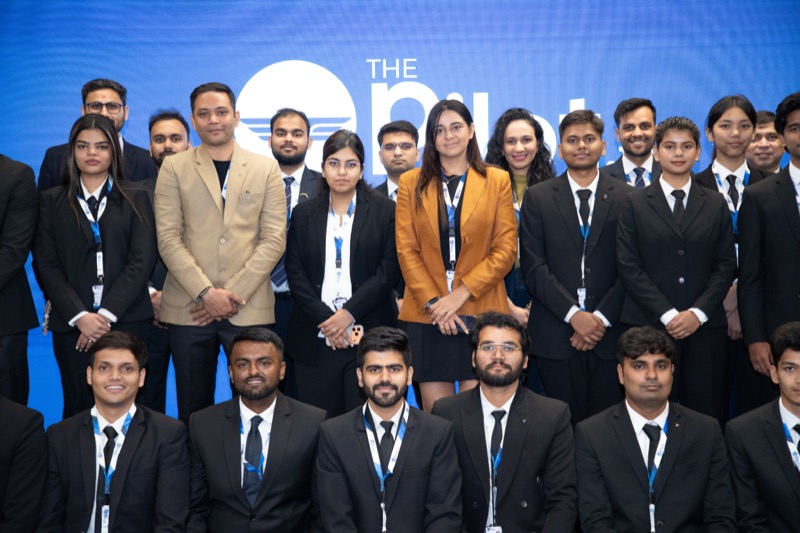
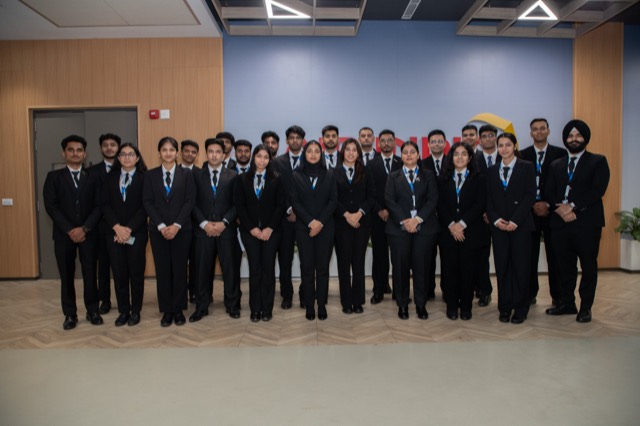
Pilot trainees group photo DGCA ground class in session Aviation lecture hall DGCA students studying Simulator briefing Classroom seminar Cadets outside training facility

What Are DGCA Ground Classes?

DGCA Ground Classes are specialised theory programs that prepare aspiring pilots for the DGCA examinations required to obtain a Commercial Pilot Licence (CPL). Before flying commercially, a pilot must demonstrate strong aviation theory — ground school builds it through structured classes, study material, mock exams, revision and expert guidance.

The six major subjects are Air Navigation, Air Regulations, Aviation Meteorology, Technical General, Technical Specific and RTR(A). Most students complete ground preparation in 3–4 months, depending on pace and exam targets.

Can you become a commercial pilot without ground classes?

Self-study is possible, but most students benefit significantly from structured instruction, instructor guidance, question banks and mock exams — a clearer path that prepares them more efficiently for DGCA exams.

Who needs DGCA Ground Classes?

  • Students planning CPL training in India
  • Students pursuing flight training abroad
  • Airline cadet program aspirants
  • Foreign CPL holders (licence conversion)
  • Students preparing for airline assessments

Why DGCA Ground Classes Matter More Than Most Students Realise

Many assume flying the aircraft is the hardest part of training. In reality, every successful pilot first becomes a student of aviation theory. Ground school is where that foundation is built — and the stronger your theory, the smoother your entire journey, from flight training to airline assessments.

Clear DGCA exams faster

Subjects like Air Navigation and Technical General reward conceptual understanding, not memorisation. Structured coaching gets concepts right from the start, cutting delays and lifting first-attempt success.

Build strong fundamentals

Aircraft performance, meteorology, flight planning, navigation and regulations all return during flight training. Pilots who understand the theory learn faster in the cockpit.

Save time and money

Every failed exam means extra fees, more prep time and delayed flight training and CPL issuance. Clearing efficiently can save months — a quality ground school is a cost-effective decision.

Improve airline assessments

Airlines test technical knowledge at recruitment — systems, navigation, weather, regulations, procedures. Ground-school knowledge keeps paying off long after the exams.

Build strong fundamentals

Professional pilots constantly analyse weather, performance, fuel, limitations and regulations. Ground school builds the analytical mindset that matters from student pilot to captain.

Key benefits
Better exam performance More efficient flight training Stronger aviation knowledge Faster CPL completion Confidence in airline assessments Better long-term career growth

Who Should Enroll in DGCA Ground Classes?

It's a myth that ground school is only for students starting flight training. Structured DGCA preparation helps a wide range of aspirants and professionals.

Students after Class 12 or Graduation

Subjects like Air Navigation and Technical General reward conceptual understanding, not memorisation. Structured coaching gets concepts right from the start, cutting delays and lifting first-attempt success.

Aspiring Student Pilots

Flexible online and weekend DGCA ground classes help aspiring pilots start their aviation journey while pursuing school or college, allowing them to prepare for DGCA exams without disrupting their studies.

Training abroad

Many students heading to the USA, South Africa, Australia, New Zealand or Maldives clear DGCA theory first — shortening licence conversion when they return to India.

Foreign CPL holders

Conversion candidates need to pass DGCA exams. Ground school offers preparation tailored to conversion patterns and requirements.

Working professionals & career changers

Online and weekend classes make it possible to prepare for DGCA exams without leaving your current job — many career changers start this way.

Understanding the DGCA Examination System

The DGCA conducts theory examinations that assess the knowledge required to safely operate aircraft and qualify for a CPL. Understanding the system early lets you build a realistic plan and avoid surprises.

Air Navigation

Flight planning, charts, fuel calculations, radio navigation and navigation procedures.

Air Regulations

ICAO regulations, DGCA requirements, licensing rules, airspace classifications and aviation law.

Aviation Meteorology

Weather systems, atmospheric conditions, clouds, winds, thunderstorms, weather reports and flight weather planning.

Technical General

Aircraft systems, engines, electrical, hydraulics, flight instruments and aircraft performance.

Technical Specific

Aircraft-specific technical knowledge related to your training aircraft.

RTR(A)

Radio Telephony Restricted (Aeronautical) — aviation communication and radio procedures.

Passing marks

You need a minimum of 70% in each subject. The goal isn't only to pass — it's to build knowledge that stays relevant across your flying career.

DGCA Students Gallery

We've answered 2,000+ questions from aspiring pilots. These are the ones we hear most.

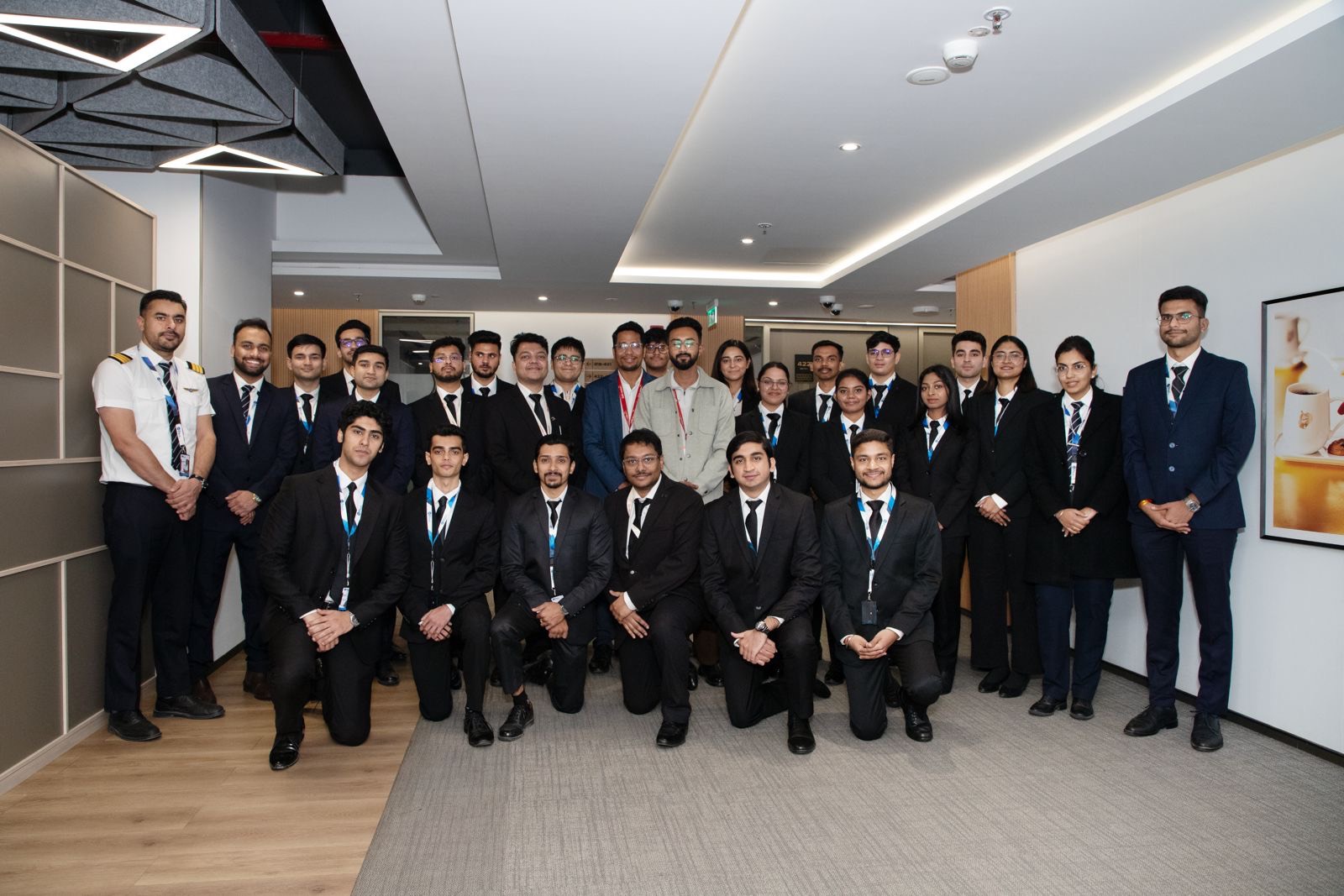
ThePilot DGCA students group photo

With Cadets

DGCA Exam Eligibility

Flight Training In India
Air Meteorology
Air Regulations
Air Navigation
RTR
Technical General
Flight Training Abroad

Commonwealth countries

NZ, CA, etc

Air Navigation
Air Meteorology
Air Regulations

Non Commonwealth countries

USA

Air Navigation
Air Meteorology
Air Regulations
RTR
RTR - Radio telephony restricted (Aeronautical)

DGCA Exam Syllabus and Subjects

Subjects
Sr NoTopic
01Atmosphere
02Flight Training
03Atmospheric Pressure
04Temperature
05Air Density
06Humidity
07Winds
08Visibility & Fog
09Vertical Motion & Clouds
10Stability and Instability of Atmosphere
11Optical Phenomena
12Ice Accretion
13Thunderstorm
14Air Masses Fronts & Western Disturbances
15Jet Streams
Sr NoTopic
16Clear Air Turbulence
17Mountain Waves
18Tropical Systems
19Climatology of India
20General Circulation
21Met Services for Aviation
22Weather Radar & Met Satellites
23Met Instruments
24Station Model
25Aerodrome Met & Codes of METAR & SPECI
26Aviation Weather Forecasts
27Radar Report, Sigmet and Satellite Bulletin
28Met Documentation and Briefing
29Flight Forecast

DGCA Exam Frequency & Fees

Validity: a passed DGCA paper is valid for 5 years from the date of passing.

Regular Examination
  • ₹2,500 per subject
  • Conducted 4 times a year
  • Major cities across India
  • Generally unlimited slots
On Demand Examination
  • ₹5,000 per subject
  • Almost every month
  • Selected centres only
  • Limited slots

Which DGCA subject is the hardest?

Difficulty depends on your strengths and study habits, but historically

Most Challenging
1. Air Navigation
2. Technical General
Moderate
3. Aviation Meteorology
4. Air Regulations
5. RTR(A)
Usually Easier
6. Technical Specific
Key takeaway

Every subject builds professional pilot knowledge that pays off in flight training, airline assessments and your career. Success depends far more on preparation quality than on subject difficulty — students who follow a structured plan clear all six on the first attempt.

How Much Do DGCA Ground Classes Cost?

Fees depend on the number of subjects, learning format, instructor experience, study material and support services. Don't choose on price alone — a lower fee can mean extra attempts and delays. Aim for value, not just cost.

Training TypeApprox. Fee Range
Single subject₹30,000 – ₹40,000
Subjects package (Nav / Met / Regs)₹1,35,000 – ₹1,50,000
Complete CPL ground school (all 6)₹2,35,000 – ₹2,50,000
Training TypeApprox. Fee Range
RTR(A) preparation₹35,000
Airline cadet prep add on₹1,00,000 onwards
What a good package includes
  • Live instructor-led classes
  • Comprehensive study notes
  • Question banks & topic-wise tests
  • Mock examinations
  • Doubt-clearing sessions
  • Progress tracking & mentorship
Hidden costs students miss
  • DGCA exam fees — separate from coaching.
  • Repeat attempts on failed papers.
  • Revision/refresher courses before re-attempts.
  • Travel & accommodation for offline classes.
Choose the cheapest?

Not necessarily — the cheapest is rarely the most economical. Weigh instructor quality, student results, pass rates, support and study resources. A school that gets you through on the first attempt is far better value.

How Long Does DGCA Preparation Take?

Fast track students

3–4 Months

Full-time, dedicated, intensive study schedules

Regular students

4–6 Months

Most students — time for concept building, practice, revision and mocks.

Working professionals

6–9 Months

Weekend batches, evening classes and self-paced learning.

Online vs Offline DGCA Classes Which Is Better?

Both formats work when delivered well. The best choice depends on your learning style, schedule and location.

Online classes
  • Learn from anywhere
  • Access to recordings
  • Flexible while studying/working
  • No commuting

Best for

Students outside major cities, working professionals, students training abroad, self-disciplined learners.

Offline classes
  • Structured classroom environment
  • Face-to-face interaction
  • Immediate doubt resolution
  • Peer learning

Best for

Students who prefer classrooms, younger students beginning aviation, learners who need extra structure.

Which is better?

There's no universal answer — the best format is the one that keeps you consistent. Many successful students prefer a hybrid model: live online classes + recorded content + mock tests + personal mentorship, for flexibility with accountability.

How to Choose the Right DGCA Ground School

Choosing on fees alone often backfires through weak instruction or support. A good ground school doesn't just teach theory — it helps you build confidence and get results. Weigh these six factors.

1

Instructor experience

Look for instructors with airline experience, flight-training experience and proven teaching backgrounds — they have the biggest impact on success.

2

Student results

Ask how many clear on the first attempt, what the pass rates are, and whether success stories are available.

3

Study material

Strong material includes notes, presentations, practice questions and revision resources.

4

Mock tests

Essential — topic tests, subject tests and full-length exams to gauge readiness.

5

Student support

Doubt-clearing sessions, faculty accessibility and mentorship availability.

6

Industry reputation

Essential — topic tests, subject tests and full-length exams to gauge readiness.

How We Help Students Clear DGCA Exams

Over 9 years, 2,000+ students have chosen ThePilot.in. Our methodology — refined with aspiring pilots and airlines — runs in six phases.

Phase 1Concept building

A strong grasp of fundamentals — understanding, not memorisation.

Phase 2Structured subject coverage

Each topic covered systematically with notes, explanations, examples and practice.

Phase 3Topic-wise testing

Continuous assessment via quizzes, topic tests and progress reviews.

Phase 4Question-bank practice

Extensive practice builds familiarity with patterns, speed and accuracy.

Phase 5Mock examinations

Full-length mocks simulate real conditions and surface weak areas.

Phase 6Revision & exam strategy

Revision, time management, exam techniques and confidence building.

Success Stories From Aspiring Pilots

Every successful pilot begins exactly where you are today — with a goal and a plan. Students from diverse backgrounds have used structured preparation to clear DGCA examinations and progress toward airline careers.

Understand concepts first

Understanding why something happens beats memorising what happens. Build clarity before heavy question practice.

Study consistently

Just 1–2 hours a day of revision changes exam outcomes far more than last-minute cramming.

Practice question banks daily

Builds speed, accuracy, pattern recognition and confidence — and flags weak areas early.

Weekly tests

Confirm chapter understanding, find knowledge gaps and revise weak areas each week.

Take mocks seriously

Assess readiness, improve time management, reduce anxiety and build confidence.

Avoid last-minute panic

The final days are for reinforcement, not new concepts. Stay calm and trust your plan.

Common mistakes to avoid

Delaying preparation

"I'll do theory later" creates avoidable delays. Starting early reduces pressure.

Memorising, not understanding

Aviation is concept-driven; rote learners struggle when questions are reframed.

Ignoring Air Navigation

One of the hardest subjects — delaying it causes trouble later.

Skipping mock tests

Mocks exist to expose weaknesses before the real exam — don't avoid them.

Choosing on fees only

Quality instruction and support usually save both time and money.

Underestimating the exams

Assuming they're easy leads to under-preparation. Professional training needs professional commitment.

Student reviews

Our Facility

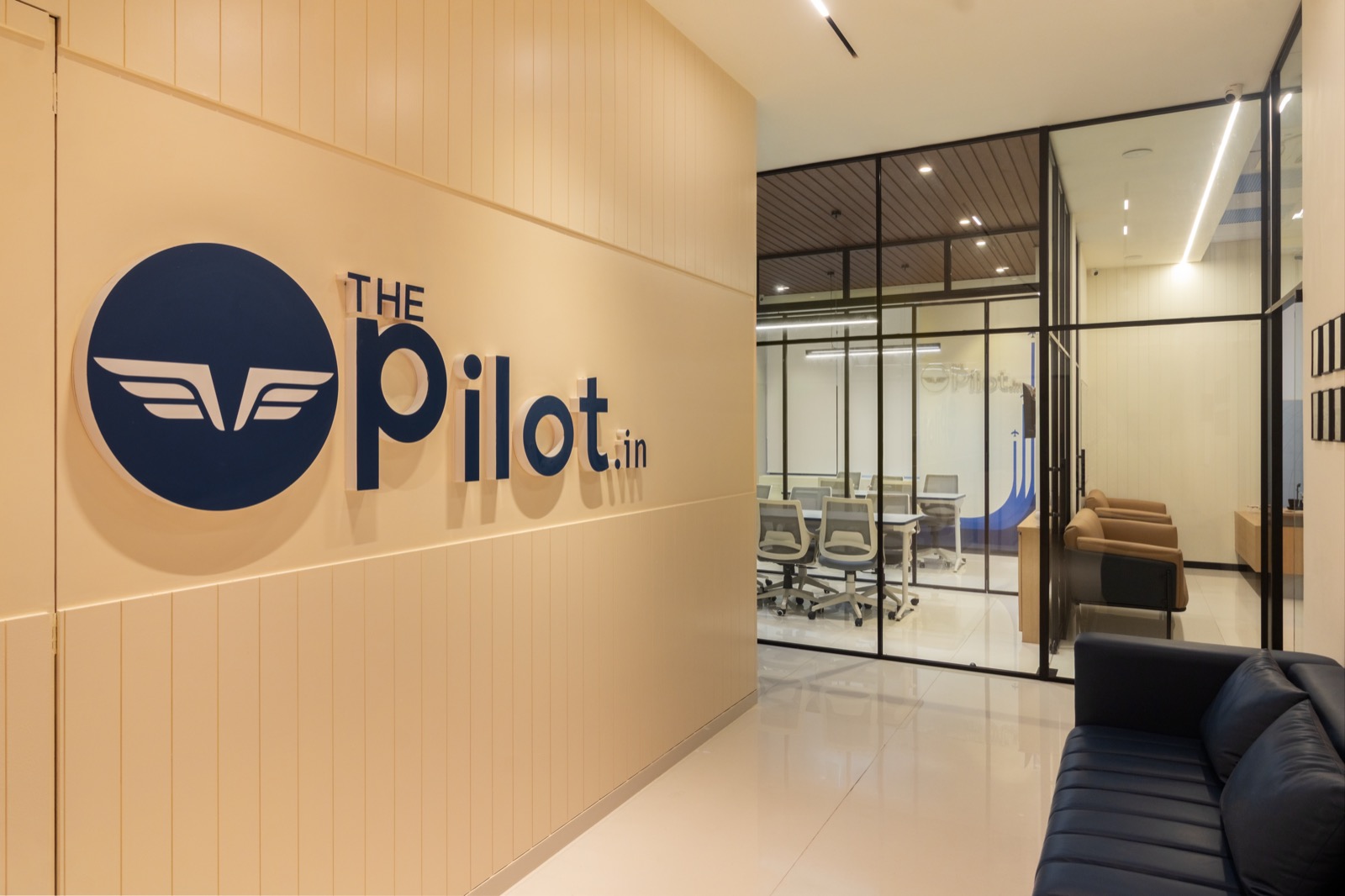
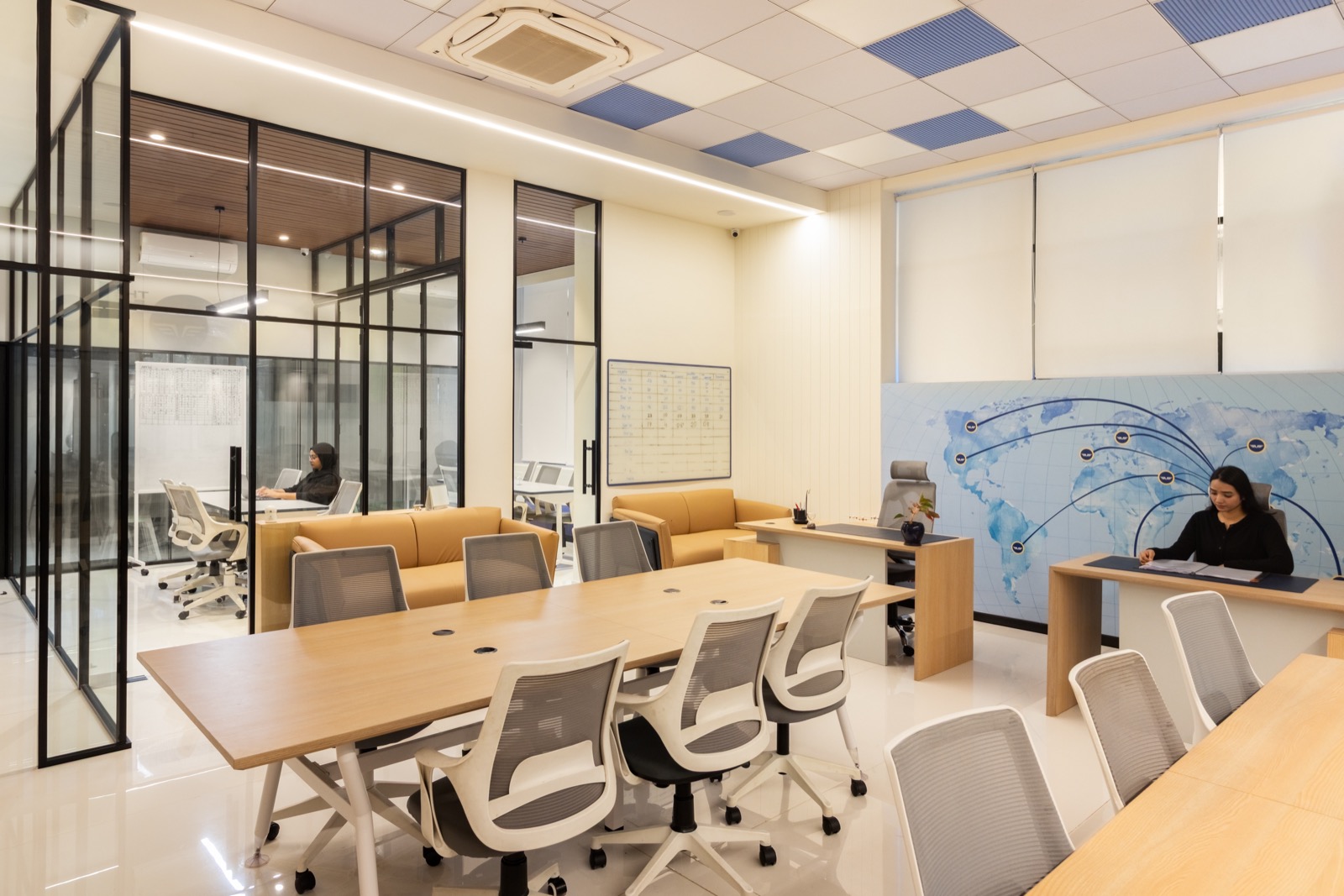
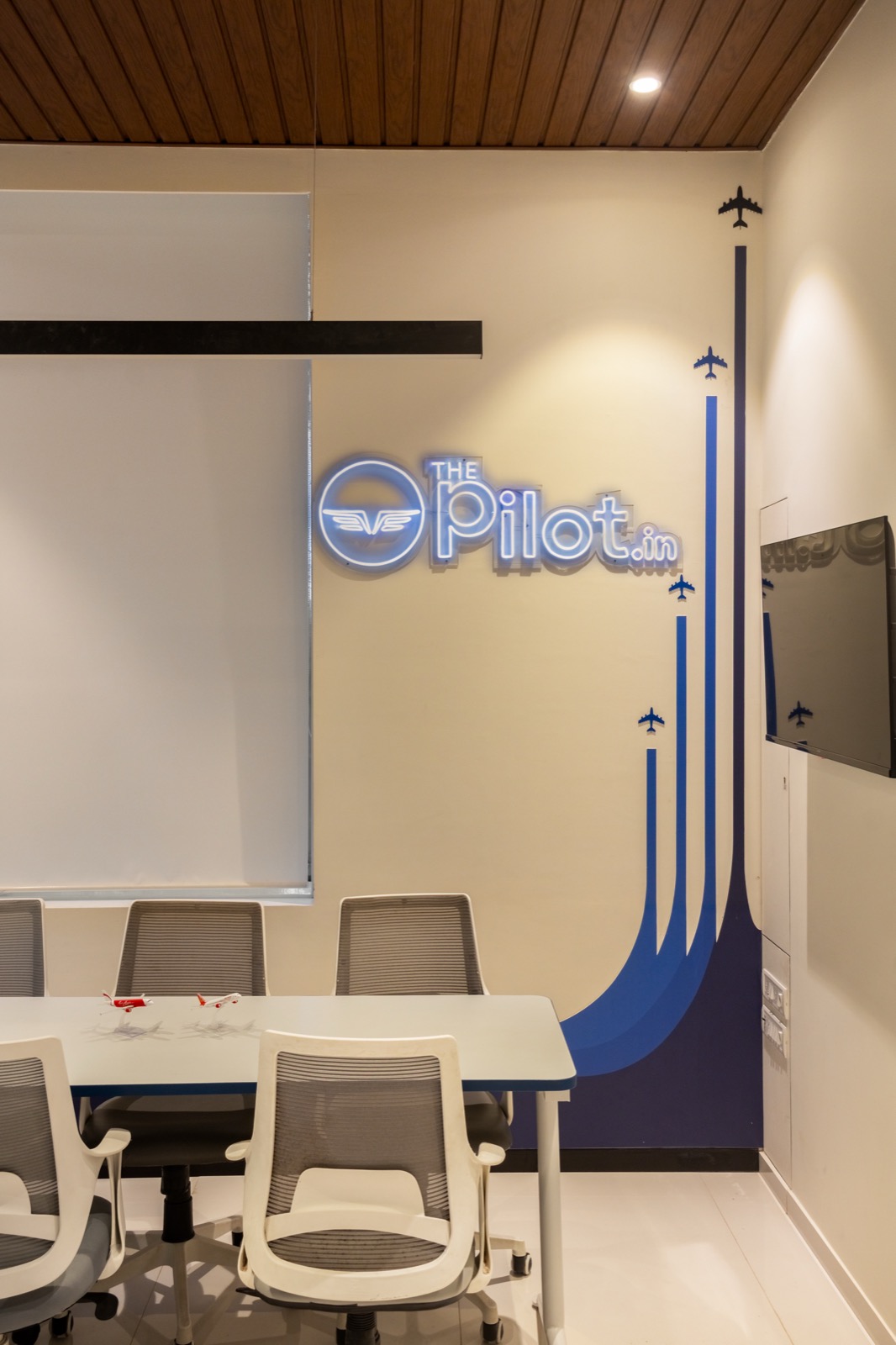
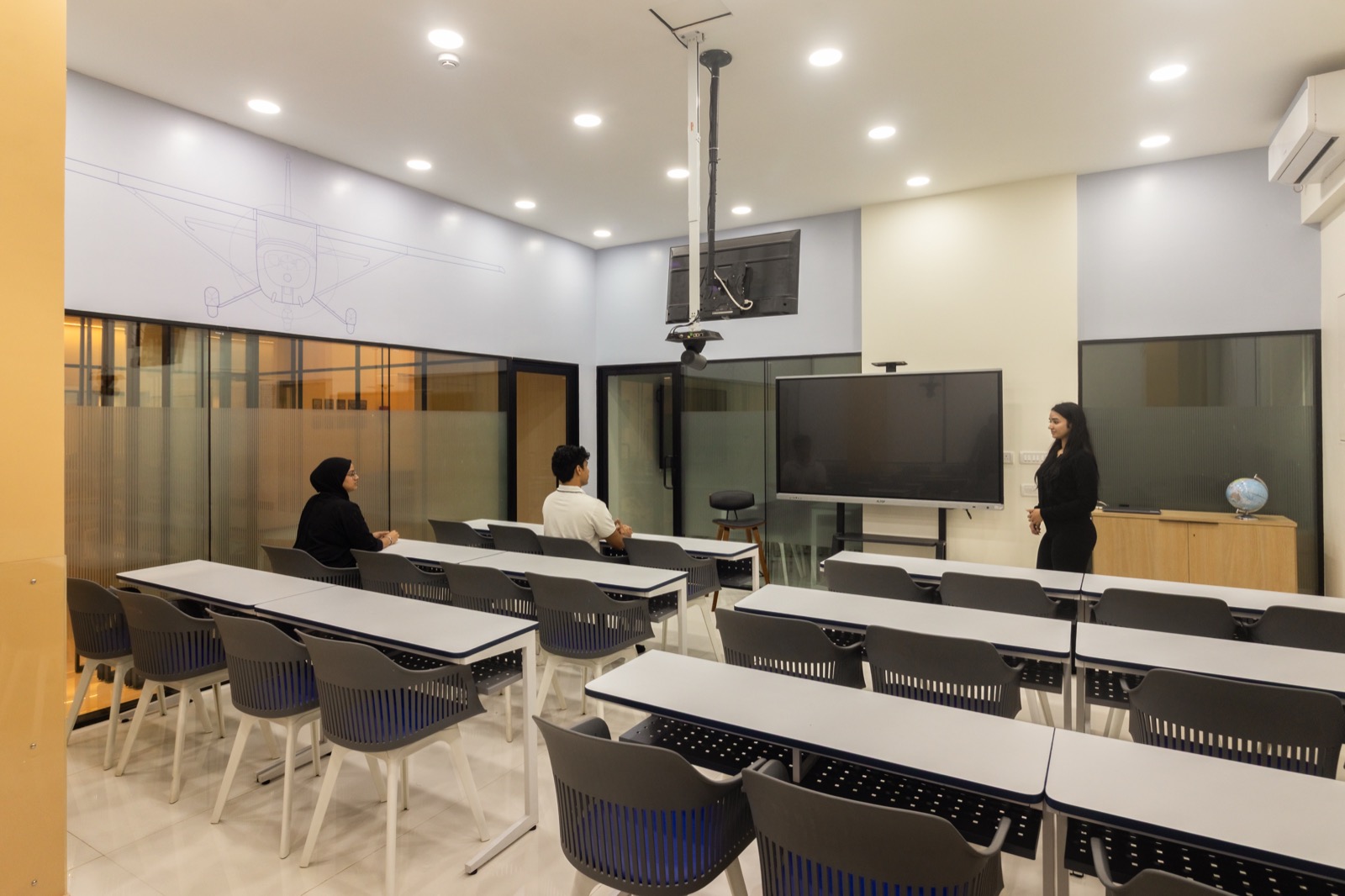
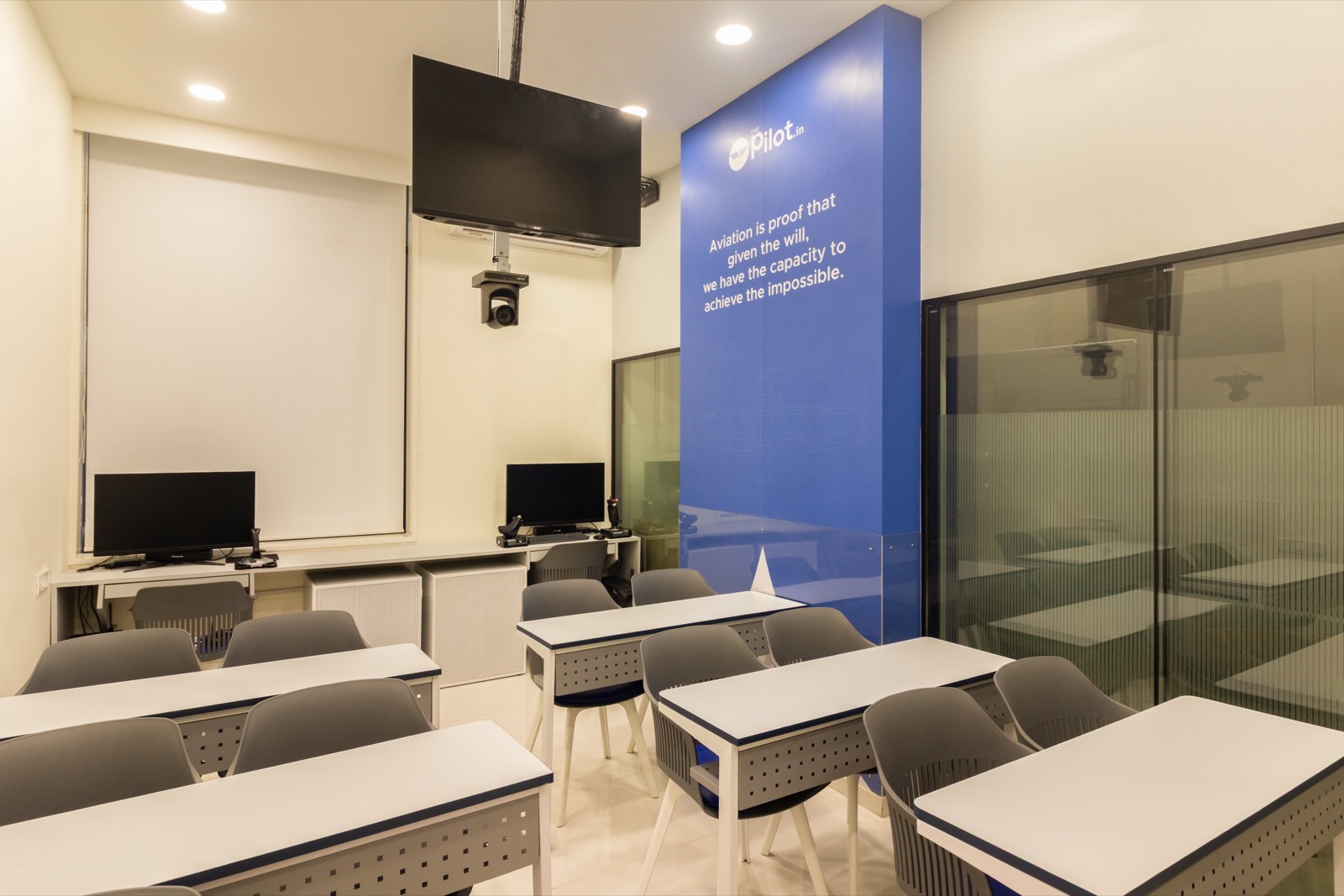
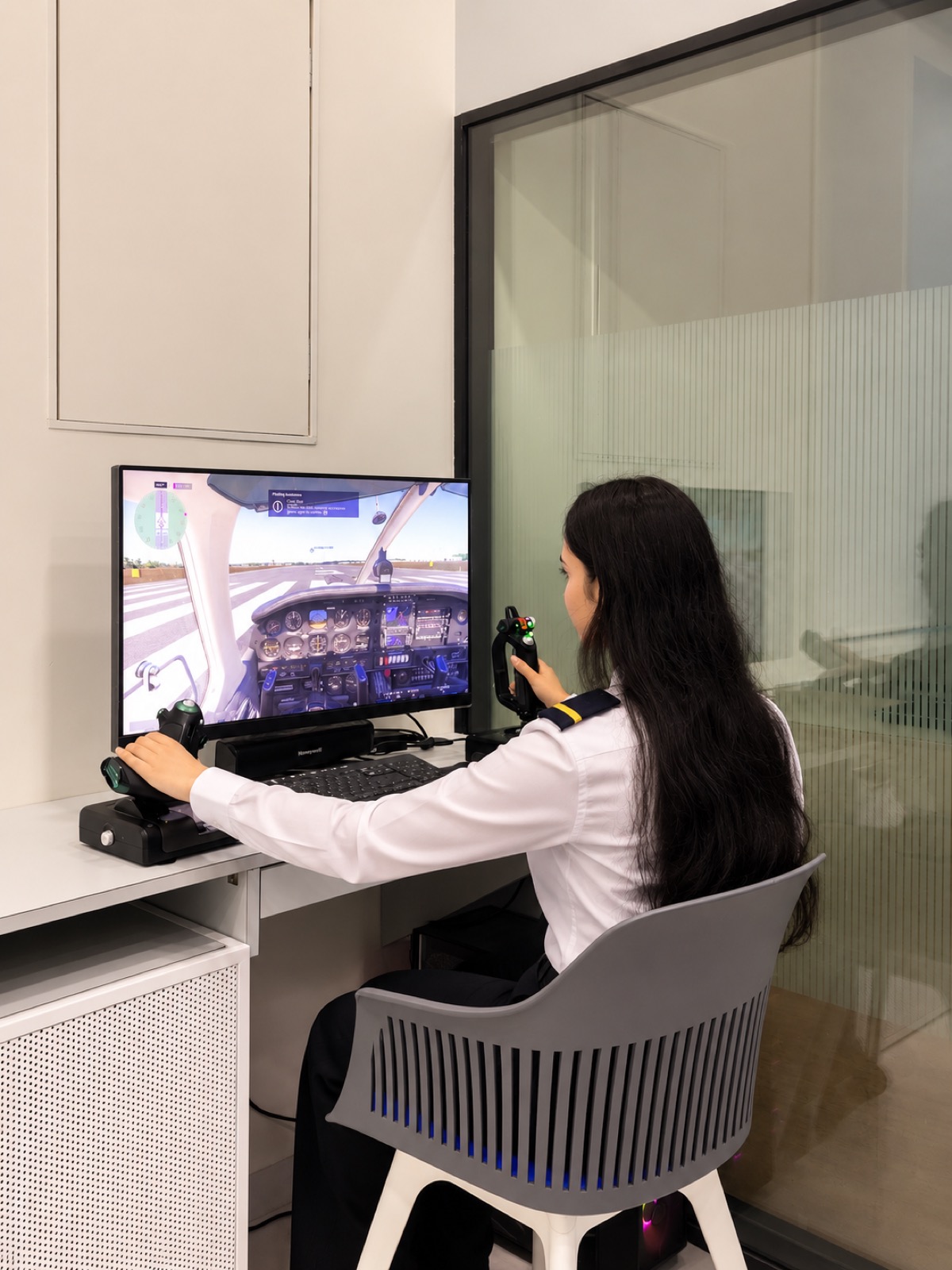
Step inside our Mumbai centre — reception, counselling workspaces, briefing rooms, ground-school classrooms and flight simulators built for DGCA-focused pilot training.

ThePilot.in office reception with brand logo wall and glass-walled meeting rooms
ThePilot.in student-counselling and admin area with a world aviation map wall
Briefing room with ThePilot.in neon signage, planning table and student seating
DGCA ground class in session with instructor teaching students in a modern classroom
ThePilot.in lecture room with ceiling-mounted screens and an aviation quote wall
Cadet flying a fixed-base flight simulator with yoke and throttle at ThePilot.in

Boasting Outstanding Results Over Years

Recent students and the DGCA subjects they cleared.

Results

Air Nav
205
Air Reg
212
Air Met
252
RTR(A)
243
Tech Gen
54

Top Scorers

Full NameSubjectsMarks
Varun SharmaRTR(A)100%
Pannala Sathwik ReddyRTR(A)100%
Akshan Sunil RaoRTR(A)100%
Raghav AroraRTR(A)100%
Aarya OjhaRTR(A)100%
Supriya RajeshRTR(A)98%
Valencia PintoAir Met98%
Kirubanandhan RamanujamRTR(A)98%
Full NameSubjectsMarks
DISHURTR(A)96%
Aditya VaswaniAir Met96%
Kartik KashyapiAir Met96%
Akhil Raj BodaAir Nav95%
Devansh BalharaRTR(A)94%
Jai VermaAir Nav94%
Rishi SinhaAir Met94%
Jayant KumarTech Gen94%
ThePilot.in DGCA students

2000+

Aspiring Pilots Trust ThePilot.in

Over 9 years, more than 2,000 students have trusted us for DGCA ground classes, cadet preparation and pilot career guidance — through structured learning, experienced instructors and exam-focused training.

  • Structured learning, not self-navigation
  • Experienced aviation instructors
  • Extensive question banks & mocks
  • Pan-India learning access
  • Airline cadet training partner
  • Built on years of performance insights
ATPL Ground Theory

DGCA ATPL Ground Classes

Beyond your CPL, the DGCA Airline Transport Pilot Licence (ATPL) is the highest pilot licence in India and your route to the left seat as a Captain. Clearing the ATPL theory early is where careers accelerate: you advance faster, your salary progresses sooner, and you unlock eligibility for selection at international airlines. Our ATPL Ground Classes prepare CPL holders, First Officers and cadets to clear the papers with confidence, through instructor-led training, real ATPL exam questions, an extensive ATPL question bank, mock tests and viva preparation.

What is the DGCA ATPL?

The Airline Transport Pilot Licence (ATPL) is the highest professional pilot licence in India. Most pilots begin with a CPL, then clear the ATPL theory papers and build the required flight experience before an unrestricted ATPL and future command positions. Many pilots clear the theory early, so they can focus on building flying hours while already meeting the theoretical requirements set by DGCA.

Why start early?

  • Move your salary forward. Command, and the pay that comes with it, arrives sooner when your theory is already behind you.
  • Advance faster in your career. Spend your flying years moving up, not stuck revising for exams.
  • Get ready for command. The knowledge you build now is exactly what you will rely on in the left seat.
  • Clear the exams without pressure. Prepare while you fly, so exams never get in the way of the job you love.

Who should join ATPL Ground Classes?

CPL holders

CPL holders who want to use their free time productively and gain an upper hand when applying for airline vacancies.

Airline First Officers

Serving First Officers who want to upgrade to command faster and advance their career.

Overseas CPL converts

Indian CPL holders converting overseas training who need to clear the DGCA ATPL papers.

ATPL DGCA syllabus

Three advanced subjects focused on airline operations.

1

General Navigation

Advanced flight planning, aircraft performance, fuel planning, RNAV, GNSS, flight management, operational procedures and airline navigation.

2

Radio Aids & Instruments

Navigation aids, flight instruments, ILS, VOR, DME, GNSS, FMS, TCAS, GPWS, ADS-B, glass cockpit systems and instrument flying.

3

Aviation Meteorology

Advanced weather interpretation, jet streams, icing, turbulence, SIGMETs, weather radar, tropical systems and operational decision-making.

ATPL requirements (DGCA)

Age & medical

Applicants must be at least 21 years old and hold a valid Class 1 Medical Certificate from a DGCA-approved examiner, meeting the physical and mental health standards required to command commercial aircraft.

Prerequisites

A Commercial Pilot Licence with Instrument Rating before attempting the DGCA ATPL exam, demonstrating basic competency in commercial flight operations and instrument-based navigation.

1,500 flight hours

The most demanding requirement: 1,500 total flight hours, ensuring enough real-world experience before assuming captain responsibilities.

The 1,500-hour flight experience breakdown

A total of 1,500 flight hours is required. The categories below are all counted within that 1,500, not added on top of it.

1,500 hrstotal required

Out of which, DGCA sets these minimums

500 hrs

Pilot-in-Command

As PIC, or as co-pilot performing PIC duties under supervision, developing the leadership and decision-making a captain needs.

500 hrs

Cross-country

Including 200 hours as PIC and 50 hours of cross-country night flying, across diverse airspace, navigation and airport operations.

100 hrs

Night flying

Demonstrating proficiency in the reduced-visibility conditions captains must handle confidently.

75 hrs

Instrument time

50 hours in actual aircraft and 25 hours in approved simulators, crucial for commercial operations in varied weather.

10 hrs

Multi-engine

On multi-engine aircraft, preparing you for airline operations where twin-engine proficiency is standard.

DGCA ATPL exam structure: what to expect

Three computer-based theory papers testing advanced aviation knowledge.

Paper Duration Total marks Passing Viva
General Navigation3 hrs9063 / 90 (70%)7 / 10
Radio Aids & Instruments2 hrs9063 / 90 (70%)7 / 10
Aviation Meteorology2 hrs10070 / 100 (70%)Not applicable

General Navigation

Advanced navigation techniques, flight planning, RNAV systems and global navigation. Questions demand analytical thinking beyond CPL level.

Radio Aids & Instruments

ILS, VOR, DME, GPS, Flight Management Systems and modern avionics, with in-depth questions on system integration and failure procedures.

Aviation Meteorology

Advanced weather systems, jet streams, turbulence prediction, weather-chart interpretation and operational meteorology for airline operations.

All papers are multiple-choice and conducted at designated computer-based testing centres across India. The viva applies only to General Navigation and Radio Aids & Instruments, where you must score 7 out of 10 to qualify.

Our ATPL exam preparation approach

Passing the DGCA ATPL exam takes disciplined preparation over several months. Our programme is built around evidence-based strategies for first-attempt success.

1

Build a strong foundation

We revisit your CPL ground-school knowledge first, focusing on navigation, instrument systems and meteorology, since the ATPL builds on these with more complex applications.

2

ATPL theory books

Comprehensive ATPL theory books covering General Navigation, Radio Aids and Instruments, and Aviation Meteorology, aligned with the latest DGCA syllabus.

3

Structured ground school

Experienced instructors, an organised curriculum and regular mock tests, the structure that consistently lifts first-attempt pass rates on complex topics.

4

ATPL exam questions

Practise with real ATPL exam questions and previous papers to master question styles, difficulty and time management, while mock exams the gaps that need extra work.

5

A study schedule that sticks

A three-to-four-month plan with daily revision beats last-minute cramming, with extra focus on ILS, Flight Management Systems, advanced weather charts and complex navigation.

6

ATPL question bank

An extensive, subject-wise ATPL question bank for revision. Practise topic by topic, target your weak areas and keep drilling until every concept is solid.

ATPL student reviews

P

Priyanka Rawat

★★★★★9 weeks ago

The ground classes have been very informative and well-structured. The instructors explain concepts clearly and make even difficult topics easy to understand. The learning environment is professional, interactive, and motivating. The classes have really helped in building a strong foundation for pilot training. Overall, it has been a great learning experience.

A

Anchal Joshi

★★★★★1 week ago

I'm an Air India cadet and I can say with full confidence that Pilot.in's ATPL ground classes gave me the edge. Thanks to their excellent guidance and well-structured content, I was able to clear all my ATPL subjects in one single attempt. The faculty's dedication and the quality of their question banks made all the difference.

O

Ojas Kale

★★★★★3 weeks ago

One of the best ground classes in Mumbai for CPL/ATPL training. They give good and proper guidance for anyone who is aspiring to become a commercial pilot from scratch. Instructors and management are pretty good here! Would recommend for newly aspiring pilots!

J

Jayant Kumar

★★★★★4 weeks ago

I recently completed my ground classes with Pilot.in, and I had a great learning experience. The instructors explained concepts clearly and made even complex aviation topics easier to understand. The classes were well-structured, interactive, and focused not just on clearing exams but also on building a strong foundation of knowledge.

P

Piyush Priyadarshi

★★★★★4 weeks ago

I have cleared my DGCA exams with their help. With their constant efforts and guidance the journey becomes easier and enjoyable. Thank you for your support and guidance.

N

Naina Vaswani

★★★★★4 weeks ago

Very helpful for DGCA exam preparation.

Frequently Asked Questions

We've answered 2,000+ questions from aspiring pilots. These are the ones we hear most.

DGCA Ground Classes

What are DGCA Ground Classes?

Theory training programs that prepare aspiring pilots for the DGCA examinations required for CPL issuance and an aviation career.

Are DGCA Ground Classes mandatory?

They aren't legally mandatory, but structured ground classes dramatically improve first-attempt pass rates compared with self-study.

Can I study DGCA subjects online?

Yes. Live online classes with recordings let you prepare from anywhere, and are popular with working professionals and students training abroad.

How many DGCA subjects are there?

Six: Air Navigation, Air Regulations, Aviation Meteorology, Technical General, Technical Specific and RTR(A).

How much do DGCA Ground Classes cost?

Roughly ₹30,000 for a single subject up to ₹2.35–2.5 lakh for the complete CPL ground school, depending on format and support.

How long does preparation take?

Typically 3–4 months full-time, 4–6 months for most students, and 6–9 months for working professionals on weekend batches.

Which DGCA subject is the hardest?

Historically Air Navigation and Technical General are the most challenging, though it depends on your strengths and study habits.

Is RTR compulsory?

RTR(A) is a separate licence required for radio communication; most pilots complete it alongside or soon after their DGCA papers.

Can foreign CPL holders join ground classes?

Yes. Conversion candidates take targeted ground classes to clear the DGCA papers required to convert a foreign licence.

Do cadet aspirants need DGCA Ground Classes?

Strong theory greatly improves cadet-program selection and training, so ground classes are highly recommended for aspirants.

How often are DGCA exams conducted?

Regular exams run about four times a year in major cities, with on-demand exams available almost every month at selected centres.

What is the validity of DGCA papers?

A passed DGCA paper is valid for 5 years from the date of passing.

Can I clear all DGCA papers before flight training?

Yes, and many students do — clearing theory first shortens licence conversion and lets you focus fully on flying.

Can I study DGCA subjects while in college?

Absolutely. Online and weekend batches are designed so students can prepare alongside college or a job.

How much should I study daily?

Just 1–2 focused hours a day of revision and question practice is enough to steadily clear the papers.

Your Complete Pilot Career Starts Here

Everything you need to become a commercial pilot: from DGCA Ground Classes and flight training to airline cadet programs, type rating, career guidance, and expert counselling.